Music in My DNA Retro Music SVG Shirt Review
When I first opened the Music in My DNA Retro Music SVG Shirt file, I was immediately struck by how the design manages to be both personal and universally appealing. The phrase "Music in My DNA" carries a sense of identity that resonates deeply with musicians, collectors, and anyone who feels music is part of who they are. The retro styling gives it a warm, nostalgic mood—like something you would find on a vintage band tee or a handmade gift for a true music lover. As someone who evaluates embroidery files for real project use, I pay close attention to how a design will translate from digital preview to stitched reality. This one promised a lot, so I put it through a practical test.
What the Design Communicates Before You Stitch
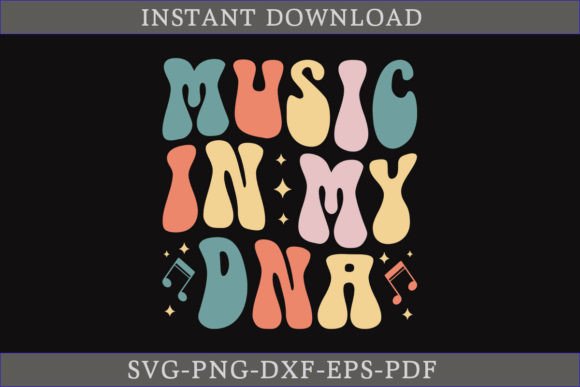
The visual personality of Music in My DNA Retro Music SVG Shirt is grounded in a classic, almost timeless aesthetic. The lettering has a bold, slightly weathered feel that calls back to concert posters and old record store signage. The layout is balanced without being overly busy, which is a strong start for embroidery. There is enough detail to feel deliberate, but not so much that the design gets lost in small hoop sizes or on textured fabrics. The theme is straightforward: this is for someone who wears their love of music like a badge. It fits naturally into Crafts and Graphics categories because it works equally well as a digital preview for a mockup and as a stitched piece on a finished product. Whether you are making a personalized gift for a guitarist friend or a boutique item for your Etsy shop, the design already feels like it belongs on something tangible.
Real Project Test: From File to Fabric
I decided to test Music in My DNA Retro Music SVG Shirt on two different projects: a heavy cotton tote bag and a mid-weight sweatshirt. The tote bag is a popular blank for handmade sellers, and the sweatshirt is a staple in custom apparel. Before loading the file into my embroidery machine, I checked the SVG and EPS formats included in the zip archive. The file unzips normally, and the formats cover both digital mockup needs and direct embroidery use. I recommend always testing a design on scrap fabric first, especially when you are working with a new file. I stitched a small sample on a piece of cotton drill to see how the lettering and any decorative elements handled the fabric texture. The result was clean, with good definition in the thicker strokes. The retro feel held up well in stitch form—the design did not lose its character during digitizing. For the sweatshirt, I used a medium-weight cutaway stabilizer to keep the stitches from sinking into the fleece. The design sat nicely on the chest area without puckering. If you are planning to use this design on baby clothes or thin fabric, be mindful of stitch density. It is not overly dense, but a light stabilizer and careful hooping will help maintain clarity on delicate blanks.
Where This Embroidery File Performs Best
After testing, I found that Music in My DNA Retro Music SVG Shirt performs especially well on a range of product types. It is a strong candidate for:
- Custom apparel like t-shirts, sweatshirts, and hoodies
- Tote bags and canvas accessories for craft fairs or boutique branding
- Embroidered patches that can be applied to jackets or backpacks
- Personalized gifts for music teachers, band members, or vinyl collectors
- Small shop merchandise where the design becomes part of a consistent brand voice
- Holiday gifts that feel thoughtful rather than generic
- Printable mockups for Etsy listings or social media previews
The design also translates well into an applique project if you want to add fabric layers behind the lettering. The bold shapes make it easy to trim and stitch without losing detail. For commercial embroidery or one-off custom orders, this file gives you flexibility without requiring heavy editing.
Critical Considerations Before You Commit to a Product
No design is perfect for every surface, and Music in My DNA Retro Music SVG Shirt has a few areas where careful planning matters. First, if you are working with a small hoop size—such as a 4x4 hoop on a cap or a baby onesie—the lettering may need to be scaled down. Always test the scaled version to ensure the smaller details remain readable. Second, on dark fabric, the design relies on thread color contrast to stand out. I recommend stitching a black-and-white mockup first to see how the negative space reads against a dark background. Third, if you plan to embroider on stretchy fabric like a ribbed knit or a lightweight tee, use a tear-away or wash-away stabilizer on top to prevent the stitches from distorting. The design itself is not overly dense, but stretchy fabric can pull the lettering out of shape if you are not careful. For caps or curved surfaces, keep the design centered and not too wide, as the curvature can distort the retro lettering if it extends too far around the crown. The same caution applies to pillow covers or tea towels where the fabric may be loosely woven—use a fusible stabilizer to create a stable stitching surface.
Practical Designer Notes for a Clean Finish
Over the years, I have learned that small habits separate a professional finish from a frustrating one. With Music in My DNA Retro Music SVG Shirt, here are the steps I took to get the best result:
- Test the design on scrap fabric using the same stabilizer you plan to use on the final product.
- Check thread color contrast against the fabric before stitching. A light thread on dark fabric can create a striking retro look, but make sure the details do not get lost.
- Inspect the SVG file in your design software to confirm that the curves and points are clean. This helps prevent jump stitches or uneven satin stitch edges.
- Hoop the fabric firmly but not tight enough to distort the weave. For knits, a sticky stabilizer can help keep everything in place.
- Run a small test stitch in running stitch to confirm placement before committing to the full design.
- If you plan to sell finished products, review the licensing terms that came with the file. This design is suitable for both personal and commercial use, but always confirm before listing items on Etsy or at craft fairs.
- For digital product sellers, the PNG and PDF formats in the zip archive work well for printable mockups and listing previews. You can show customers exactly how the design looks before they buy.
How the Design Affects Product Value and Customer Trust
One thing I appreciate about Music in My DNA Retro Music SVG Shirt is how it elevates the perceived value of a finished product. When customers see a well-placed, cleanly stitched design that feels personal and intentional, they trust the maker. This design does not feel like a generic clip-art placement. It reads as something curated. For an Etsy seller or a small shop owner, that distinction matters. A tote bag with this design feels giftable. A sweatshirt becomes a statement piece. The retro music theme also has strong giftability—it works for birthdays, holidays, or just as a thoughtful surprise for someone who spends their weekends at record shops or playing in a band. The design helps your product stand out in a crowded marketplace because it connects emotionally with the buyer's identity.
Final Thoughts on Using This Graphic in Real Production
After testing Music in My DNA Retro Music SVG Shirt across multiple blanks and fabric types, I feel confident recommending it to anyone who wants to add a music-themed option to their product line. It is versatile enough for custom apparel, handmade gifts, and boutique merchandise, yet specific enough in its retro mood to attract customers who are looking for something authentic. The file formats included in the zip archive—SVG, DXF, EPS, PNG, PDF—cover the needs of both digital product creators and embroidery machine users. Whether you are stitching a patch for a denim jacket, embroidering a personalized gift for a music teacher, or creating mockups for your online shop, this design performs reliably when you take the time to test, stabilize, and match thread colors thoughtfully. It is not a design that requires constant tweaking, which means more time for you to focus on production and selling. For an experienced designer or a small business owner looking to expand their offerings, this is a solid addition to your design assets and a worthwhile embroidery file to have in your library.