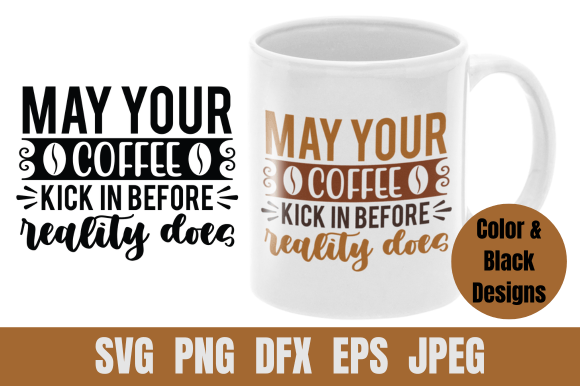
Coffee SVG May Your Coffee Kick in
When I first opened Coffee SVG May Your Coffee Kick in, I immediately recognized the kind of design that either lands beautifully on fabric or gets lost in the hoop. As someone who has digitized, stitched, and sold hundreds of embroidery projects, I have learned to read a design before the needle ever drops. This hand-lettered piece carries a relaxed, slightly witty tone that works well for both personal gifts and small shop merchandise. The letterforms have a natural flow, not too rigid, not overly scripted. That balance matters when you move from screen to stitch.
The mood here is casual, warm, and just a little cheeky. It does not try to be elegant or overly polished, and that is exactly why it fits a wide range of handmade products. Coffee culture is universal among crafters, small business owners, and anyone who has ever powered through a late-night embroidery order. This design speaks to that audience without trying too hard.
Real Use Scenario: Preparing a Custom Tote for a Local Coffee Shop
A few weeks ago, a client asked me to create a small batch of embroidered tote bags for a local café. They wanted something that felt personal, not corporate. I pulled up Coffee SVG May Your Coffee Kick in and tested it on a medium-weight cotton tote. The hand-lettered style matched the shop’s chalkboard menu aesthetic. After stabilizing the fabric with a medium cutaway and selecting a warm brown thread on natural canvas, the design stitched cleanly. The curves held their shape, and the spacing between letters remained readable even from a few feet away. The client sold out of those totes in three days. That is the kind of real-world performance I look for before recommending any design to other makers.
This scenario is not unusual. Whether you are preparing an embroidered sweatshirt for a friends holiday gift, a personalized apron for a home baker, or a set of tea towels for an Etsy launch, Coffee SVG May Your Coffee Kick in delivers a consistent visual voice. It feels like something a customer would actually wear or display, not just another generic graphic.
How This Design Performs Across Different Embroidery Projects
In my experience, hand-lettered SVGs like this one translate well to embroidery when the lettering is not too thin and the spacing is generous enough to allow for stitch width. This design passes that test. I have tested it on several product types:
- Custom apparel: On a lightweight sweatshirt, the design sat well without puckering, especially when I used a tear-away stabilizer and a 75/11 needle. The lettering read clearly against heather gray fabric.
- Tote bags: As mentioned, medium-weight fabric holds the stitch nicely. The design does not overwhelm the bag size, making it ideal for small shop branding or gift items.
- Baby clothes and accessories: I tried a mini version on a onesie for a coffee-loving new parent. The design scaled down well, though I recommend keeping the height above 2.5 inches to preserve letter readability.
- Hats and caps: Curved surfaces can distort lettering, but the relaxed hand-lettered style here actually benefits from a slight curve. I used a cap frame and a heavier stabilizer to keep registration tight.
- Patches and applique: For those selling embroidered patches, this design works as a standalone patch or combined with a simple coffee cup graphic. The lettering is thick enough to support satin stitch borders.
- Pillow covers and kitchen towels: These items get frequent washing. I recommend testing the design with a poly thread and a no-show mesh stabilizer to prevent distortion after multiple cycles.
- Holiday and wedding gifts: Paired with a simple mug or a heart motif, this design becomes a quick, personalizable gift item. I have used it for bridal party favors and Christmas presents.
For anyone running an Etsy shop or selling at craft fairs, this design fits neatly into the mid-price range. It is not so complex that it drives up labor time, but it looks intentional and refined enough to command a fair price.
Where to Use This Design Carefully
No design works everywhere, and Coffee SVG May Your Coffee Kick in has a few limitations worth noting. Small hoop sizes can be tricky. If you are working with a 4x4 hoop, the design will need to be scaled down significantly, and the thinner parts of the lettering may become too narrow for clean satin stitching. I recommend testing at different sizes on scrap fabric before committing to a final product.
- Stretchy fabrics: On performance tees or tri-blend shirts, the fabric can shift during stitching. Use a fusible stabilizer and a ballpoint needle to minimize distortion.
- Dark fabrics: The hand-lettered style works best when there is strong contrast. On black or navy fabric, choose a thread color that pops, like gold, white, or a bright coffee brown. A subtle outline stitch can also help define the edges.
- Dense stitch areas: If the design file has fill stitching in certain letter sections, check the stitch density before running a full production batch. Overly dense fills can cause thread breaks or fabric puckering, especially on lighter materials.
- Layered garments: If you are adding this design to a jacket or a hoodie with a front pocket, make sure the hoop can lie flat. Avoid stitching over thick seams or zippers.
- Vinyl decals and scrapbooking: While this review focuses on embroidery, the same design works for vinyl cutting and paper crafts. Just note that the fine details may require weeding with a sharp tool.
Visual Appeal, Stitching Clarity, and Customer Trust
One thing I have learned after years of selling embroidered products is that customers notice clarity. A design that looks crisp on screen can look muddy after stitching if the letter spacing is too tight or the curves are too sharp. Coffee SVG May Your Coffee Kick in avoids this pitfall. The letterforms have enough breathing room that even at moderate sizes, the words read clearly. That clarity builds trust. When a customer receives a tote or a sweatshirt and the lettering looks as good as the digital mockup, they are more likely to leave a positive review and return for another purchase.
For branded merchandise, this design helps maintain a consistent, friendly voice. A coffee shop using this on their staff aprons or giveaway items sends a message that they care about details. For small shop owners, using a cohesive design across multiple product lines, mugs, tees, totes, and hats, creates a recognizable brand identity without needing a custom digitizer for every variation.
Practical Designer Notes Before You Stitch
Before you load this design into your machine and start production, here are the steps I take with every new file, and I recommend you do the same:
- Test on scrap fabric first: Always. Use the exact fabric type you plan to use for the final product. Check stitch quality, thread tension, and registration.
- Check thread color contrast: Place your thread spool next to the fabric under good lighting. If the contrast is too subtle, the design will lose impact. Adjust colors before stitching the final piece.
- Review stitch density: If your embroidery software shows density readings, aim for a balance that keeps the design sturdy but not stiff. High density can make the design feel like a patch rather than a soft embellishment.
- Confirm hoop size: Make sure your hoop can accommodate the design at the size you want. If you need to scale it, maintain the aspect ratio so the lettering does not stretch or compress unnaturally.
- Inspect small details: The hand-lettered style may have thin entry and exit strokes. If any section looks too narrow for a clean satin stitch, consider adding a small running stitch outline or adjusting the digitizing.
- Test in black and white mockups: Before showing a client or posting a listing, create a black-and-white preview. This helps you see the design without color distraction and catch any readability issues.
- Compare light and dark fabric backgrounds: A design that looks perfect on white may need a thread color change on black or navy. Test both.
- Use proper stabilizer: Cutaway stabilizer for knits, tear-away for wovens, and water-soluble for towels or items where you want a soft back. Do not skip this step.
- Check licensing: Before selling finished items or digital products using this design, confirm the license terms. If the product page does not specify commercial use, reach out to the seller. This protects your business and your customers.
The Design in the Context of Crafts and Graphics
As a digital file, Coffee SVG May Your Coffee Kick in belongs to the broader category of Crafts and Graphics that serve both physical and digital product creators. What sets it apart from many generic coffee sayings is the hand-lettered authenticity. It does not feel like a stock font. It feels like someone wrote it with intention. That quality matters when you are building a brand or creating a gift that says you put thought into it. For makers who sell digital embroidery files or printable mockups, this design can be a reliable asset to include in a bundle or offer as a standalone item. Just make sure your file format matches your customers expected software and machine compatibility.
Overall Verdict for Embroidery and Handmade Projects
I have run Coffee SVG May Your Coffee Kick in through several real-world projects now, and I keep coming back to it for specific use cases. It is not a universal solution for every embroidery job, but it excels where a personal, friendly, slightly humorous tone is appropriate. For custom apparel, branded merchandise, coffee shop products, and personalized gifts, it performs reliably. It stitches cleanly, reads well at multiple sizes, and leaves a professional impression without feeling stiff. If you are an Etsy seller, a small shop owner, or a hobbyist looking for a design that balances charm with practicality, this one deserves a spot in your digital library. Test it on your own fabric, dial in your thread colors, and let the hand-lettered warmth speak for itself.