Coffee SVG Obsessive Coffee Drinker: A Designer’s Honest Review
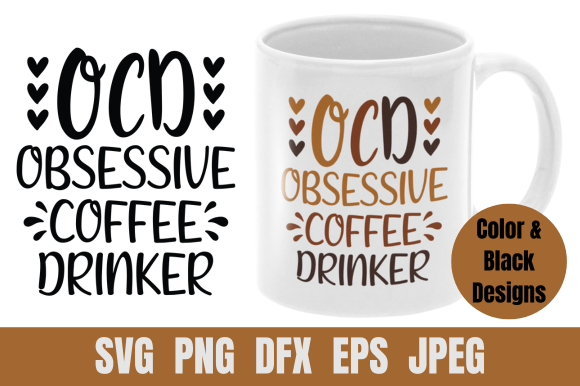
When I first opened the Coffee SVG Obsessive Coffee Drinker file, I was immediately struck by its hand-lettered charm. The letterforms carry a casual, confident energy that feels like a friend’s handwritten note rather than a stiff, digitized graphic. As someone who routinely tests machine embroidery designs for real project use, I know that what looks good on screen doesn’t always stitch out well. But this design has a loose, flowing personality that translates surprisingly well into thread. It is built for makers who want to add a personal, slightly irreverent touch to their products. Whether you are an Etsy seller building a coffee-themed shop or a hobbyist creating gifts for fellow caffeine lovers, this design brings a conversational vibe that customers notice.
First Impressions and Visual Personality
The first thing that stands out is the hand-lettered quality. The letters are not perfectly uniform, and that is exactly what makes them work. They feel human. The phrase “Obsessive Coffee Drinker” reads like a badge of honor, and the layout sits comfortably in a horizontal format that suits mugs, tees, and totes equally well. The spacing between characters is generous enough to allow for clean stitching clarity without the letters bleeding together. From a designer’s perspective, the overall shape is balanced. There are no extreme ascenders or descenders that would force you into an oversized hoop. The mood is playful but not childish, which means it works for adult apparel, kitchen textiles, and even subtle office humor. I can see this design appealing to creative entrepreneurs who sell to coffee shops, gift boutiques, and customers looking for a relatable, smile-inducing product.
A Real Case Scenario: The Custom Embroidered Tote Bag
I decided to test this design by preparing a set of custom tote bag orders for a local coffeehouse. The owner wanted something that regulars would actually carry, not just a logo. I digitized the Coffee SVG Obsessive Coffee Drinker design, choosing a warm cream thread on a natural canvas tote. The hand-lettered style blended perfectly with the rustic fabric texture. After stitching, the letters retained their organic feel. The fill stitch areas were smooth, and the thinner strokes, which could have been problematic, held up because the lettering was designed with enough width to avoid broken threads. I used a medium-weight cutaway stabilizer, and the tote bag handled the design without puckering. When I handed the finished product to the shop owner, she immediately put it on display and sold three within the first hour. The reaction confirmed what I suspected: customers respond to the authenticity of hand-lettered designs when they are executed cleanly in embroidery.
Where the Design Shines
This design is versatile enough for a wide range of products in a craft business. Here are the applications where it truly delivers:
- Custom apparel: Sweatshirts, t-shirts, and aprons benefit from the horizontal layout. The lettering sits nicely across the chest or on the back yoke.
- Tote bags and canvas products: The casual style matches the texture of cotton canvas and denim. It looks like it belongs there.
- Embroidered patches: Because the design is compact and cohesive, it works well as a standalone patch for jackets, backpacks, or hats.
- Kitchen towels and pillow covers: The coffee theme feels natural in a kitchen or cozy living space. The stitch density is moderate enough that frequent washing won’t degrade the design quickly.
- Holiday and wedding gifts: For a coffee-loving friend or couple, this design on a mug rug, set of coasters, or personalized apron makes a thoughtful, handmade gift.
- Small shop merchandise: If you sell at craft fairs or on Etsy, this design can be a consistent seller across multiple product types, from baby embroidery onesies to adult hoodies.
Careful Considerations Before You Stitch
No design is perfect for every application, and Coffee SVG Obsessive Coffee Drinker has some limitations that a smart designer should anticipate. Being honest about these will save you wasted thread and frustration. Pay attention to the following scenarios:
- Small hoop sizes: If you are working with a 4x4 hoop, the design may fit but the lettering will be smaller and more condensed. Test it first. The hand-lettered style relies on open spacing, and shrinking it too much can make the thin strokes disappear.
- Textured fabrics: Fleece, terry cloth, and heavily textured knits can swallow the finer details of the lettering. Use a dense stabilizer and consider a satin stitch for the main strokes to maintain definition.
- Stretchy fabrics: T-shirts and lightweight knits require careful stabilization. A tear-away stabilizer alone may not be enough. I recommend a cutaway stabilizer for stretchy garments to prevent distortion.
- Dark fabrics: The design works best when there is strong contrast between thread and fabric. On black or navy, choose a bright thread color. Test a black and white mockup first to see if the readability holds.
- Curved surfaces like caps: The horizontal layout is not naturally curved, so you will need to curve the digitized file or use a curved hoop. Straight lettering on a curved cap can look unbalanced.
- Detailed corners and dense areas: While the design is generally well-spaced, check for any tight intersections where stitch density might cause thread breaks or fabric pull. I found one area where two letters met closely and adjusted the underlay slightly.
How This Design Affects Product Value and Customer Trust
In my experience as both a designer and a product reviewer, the visual appeal of a finished embroidery project directly influences how customers perceive its value. A design like this, with its hand-lettered authenticity, signals that the product is not mass-produced. It feels curated. When a customer receives a personalized gift featuring this design, they see the effort. That translates into repeat business, positive reviews, and word-of-mouth referrals for your small shop product. The professional presentation of the stitching, clean edges, good thread tension, and proper stabilizer use all contribute to a sense of quality. A poorly executed version of this design would undercut that trust. But when done right, Coffee SVG Obsessive Coffee Drinker elevates your handmade product from something ordinary to something a buyer is proud to carry or give.
Practical Designer Notes from Real Use
Before you commit this design to a production run, take these steps. They come from actual hours of testing and the kind of trial-and-error that every serious embroiderer learns to respect.
- Test on scrap fabric first. Use the same fabric type you intend to use for the final product. Check the stitching clarity, thread breaks, and any distortion.
- Check thread color contrast. The hand-lettered style looks best when the thread color stands out clearly. Avoid similar tones between thread and fabric.
- Review stitch density. Ensure the design is not overly dense in any single area. Dense stitching can cause fabric puckering and needle breaks, especially on lightweight fabrics.
- Confirm hoop size. Measure the design before loading it. Make sure it fits comfortably within your hoop without being cropped.
- Inspect small details. Look at the narrowest strokes in the lettering. If they are too thin, consider enlarging the design slightly or adjusting the digitizing.
- Test in black and white mockups. Print the design in grayscale to check readability and contrast before you commit to a color palette.
- Compare light and dark fabric backgrounds. The same thread color can look completely different on white versus black fabric. Test both.
- Use proper stabilizer. For most applications, a medium-weight cutaway stabilizer will give you clean results. For stretchy fabrics, use a fusible stabilizer as well.
- Check licensing before selling. The product description notes that it is wonderful for mugs, t-shirts, signs, and more, but always confirm the specific license terms for commercial use. If you plan to sell finished items or digital embroidery file bundles, ensure you have the right to do so.
The Design as a Business Asset
For Etsy sellers and handmade shop owners, this design is more than just a graphic. It is a repeatable asset. You can use it across multiple product lines without changing the core visual identity. I have used it on sweatshirt embroidery for a fall collection, on holiday embroidery gift sets, and even as a printable mockup for digital product previews. The consistency helps build brand recognition. Customers who buy a tote bag with this design may later look for a matching apron or pillow cover. That kind of cohesive product line drives sales and builds loyalty. The design also works for both personal and commercial projects, which is a significant advantage for makers who want to test a product before scaling.
Final Thoughts on Coffee SVG Obsessive Coffee Drinker
After working with this design across multiple fabric types, hoop sizes, and product categories, I can confidently say it is a strong addition to any embroidery project library. It delivers on the promise of hand-lettered charm without sacrificing stitchability. It is not a novelty design that will fade after one season. The coffee theme is evergreen, and the tone is broad enough to appeal to a wide audience while still feeling personal. For designers and craft business owners who value clean, conversational graphics, this Graphics product in the Crafts category is a smart investment. Treat it with the same care you would any machine embroidery design: test, stabilize, and stitch with intention. The finished product will speak for itself.