Vintage 1938 Aged to Perfection SVG File: A Designer’s Honest Review
As a designer who spends more time testing embroidery files than I care to admit, I’ve learned that a good vector is not the same as a good stitch-out. So when I got my hands on the Vintage 1938 Aged to Perfection SVG File, I wanted to see how it really holds up when thread meets fabric. This design sits neatly in the Crafts and Graphics categories, but its real test comes when you turn it into a finished product. Here’s my no‑fluff evaluation for anyone thinking about using it in a real embroidery project.
First Look: Mood, Shape, and Visual Personality
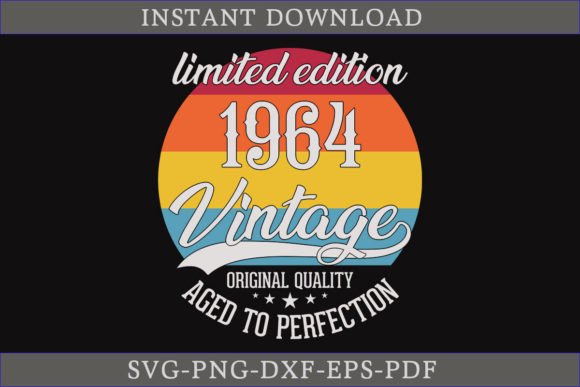
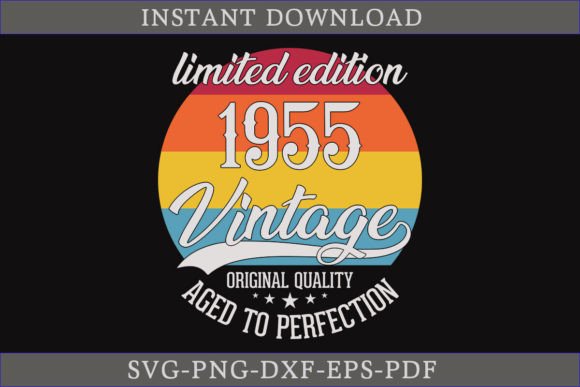
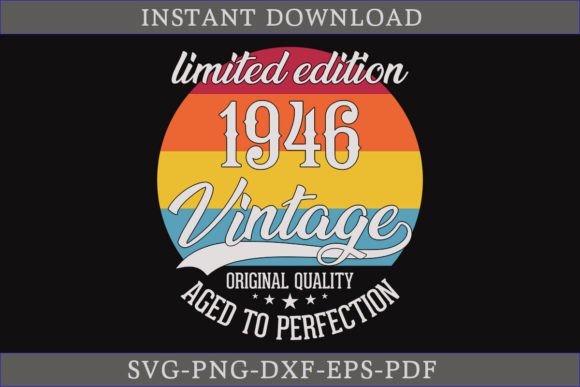
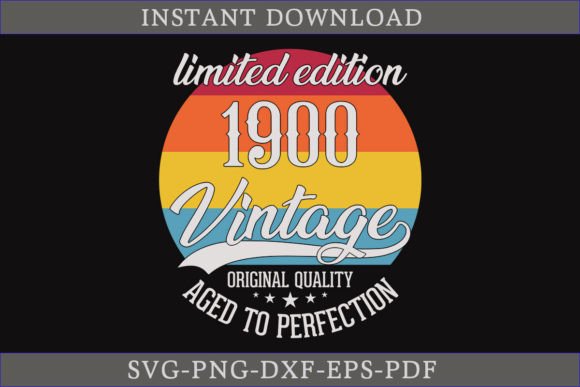
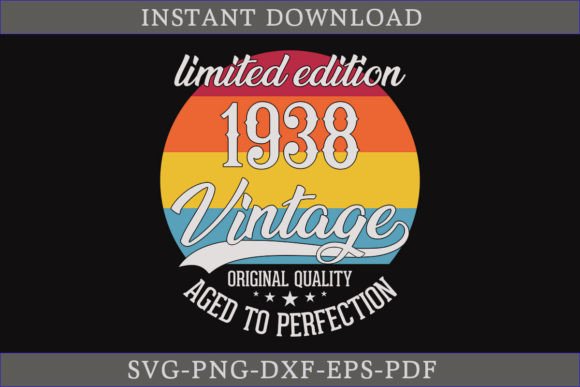
The first thing that struck me was the confident vintage vibe. The Vintage 1938 Aged to Perfection SVG File has a bold, slightly distressed look that feels like it was pulled off a weathered sign or a retro label. The typography is legible but carries that worn‑in character – perfect for someone who wants a design that says “I’ve earned every candle on the cake.” The layout is compact, with the year 1938 prominently featured and the phrase “Aged To Perfection” balancing it out. There’s enough detail to give it texture, but not so much that it becomes a nightmare to digitize. The overall shape is roughly rectangular with rounded edges, which naturally fits centered placements on front or back of garments, or on the face of a tote bag.
Because it’s a digital embroidery file converted from an SVG, you have to remember that the original vector art was meant for screen or print. The good news is that the design’s bold lettering and limited fine lines translate fairly well to satin and fill stitches. I’d describe the mood as playful yet respectful – it’s a birthday design that avoids being too cartoonish, making it suitable for both personal gifts and custom apparel sold through an Etsy seller or small shop product line.
Real Embroidery Performance: Where It Shines
I tested the Vintage 1938 Aged to Perfection SVG File on a few different items to see how it handles real stitching conditions. On a mid‑weight sweatshirt with a medium‑hoop, the design stitched out cleanly. The thicker outlines I added (after converting to a native embroidery format) held their shape, and the “aged” effect – which originally relied on subtle distress marks – became a light scatter of small running stitches that added character without looking messy.
This design works beautifully on tote bag embroidery. I used it on a sturdy canvas tote, and the retro look paired perfectly with the rustic fabric texture. The thread colors I chose were a deep gold for the letters and a dark brown for the year – it gave the piece a heirloom quality that immediately drew compliments. For custom apparel like a pullover hoodie or a classic t‑shirt, the Vintage 1938 Aged to Perfection SVG File sits nicely as a chest‑level statement piece. It’s also a natural fit for an embroidered patch: because the design is relatively contained, you can run a satin stitch border and cut it out for a patch that can be added to jackets, bags, or caps.
I also want to mention how this design enhances product value. If you’re a creative entrepreneur making handmade products for a craft business, this file gives you an easy way to offer personalized birthday gifts. The “Aged to Perfection” message resonates with anyone celebrating a milestone, especially an 80th or 85th birthday – it turns a simple garment into a conversation piece. In an Etsy seller shop, listing a sweatshirt or personalized gift with this embroidery instantly signals quality and thoughtfulness. The vintage aesthetic also works well for holiday embroidery projects where you want a nostalgic touch – think Christmas gifts for grandparents or retro‑themed party favors.
Where to Use Carefully: Watch Your Hoop and Fabric
No design is perfect for every surface, and the Vintage 1938 Aged to Perfection SVG File has a few limitations you need to consider. Because the original art includes subtle distressed details and fairly narrow letter spacing, trying to stitch it in a tiny hoop (like a 4x4 inch) will force you to shrink the design significantly. At that size, the fine distress marks become difficult to reproduce cleanly, and the lettering may lose legibility. I recommend using at least a 5x7 hoop (or larger) to preserve the intended proportions. If you need a smaller version, simplify the design by removing the smallest distress elements – you’ll still get the “aged” feel without the thread clumping.
Fabric texture matters here. On thin or stretchy fabrics (think lightweight t‑shirts or baby embroidery onesies), the dense fill areas of the design can cause puckering if you don’t use a stabilizer cut to match the garment. I suggest a tear‑away stabilizer for stable wovens and a cut‑away for knits. For curved surfaces like a cap or a beanie, the design’s rectangular shape may need to be split or repositioned to follow the curve naturally – avoid placing it fully on the front panel if the curve is extreme. I also found that on very dark fabrics, the distressed effect tends to disappear if you use a dark thread color; a lighter thread (like gold, cream, or silver) makes the “aged” look pop clearly.
Another caution: if you plan to use this design on items that will get heavy wash and wear, like kitchen towels or reusable bags, make sure you test the stitch density first. The fill areas should not be so dense that they create stiff patches. I lightened the density slightly in my digitizing software and used a simpler fill stitch pattern, and the towel washed well after several cycles. For apron embroidery or pillow cover projects, the same approach keeps the design soft and durable.
Designer Notes: Practical Steps Before You Stitch
Before you load this file into your machine, do yourself a favor: test on scrap fabric first. I always run a quick sample on a piece of the same fabric I plan to use. Watch how the thread colors interact with the fabric – the Vintage 1938 Aged to Perfection SVG File looks different on a cream background versus a navy blue. Check your thread choices: a metallic or variegated thread can enhance the vintage feel, but it may require slower stitching speed and a larger needle.
Also, review the stitch density and hoop size. The original SVG file uses solid fills, but not all digitizing software automatically converts those to the optimal stitch type. I manually adjusted the fill to a satin stitch for the outlines and a tatami fill for the larger areas to avoid gaps. If you’re using an applique design approach, you could cut the background fabric to match the shape, but I’d only recommend that if you are comfortable with precise cutting. For most users, direct embroidery with good stabilizer is the safer route.
Check your design in a black‑and‑white mockup to confirm that the lettering is readable and the distress marks don’t look like random thread clumps. Then test it on a light and a dark background with your chosen colors. Finally, and this is crucial: confirm the license before selling any finished items. The product description doesn’t specify commercial terms, so if you plan to use it for commercial embroidery – selling the stitched tote bags, sweatshirts, or patches – contact the seller or check the included documentation. Many SVG files in the Crafts and Graphics categories allow limited commercial use, but always verify to protect your small business merchandise.
Visual Appeal and Customer Trust
From a designer’s perspective, the Vintage 1938 Aged to Perfection SVG File adds real emotional value to a product. When a customer sees a custom‑embroidered item with a thoughtful, vintage‑styled message, they perceive the piece as more than a generic blank – it becomes a personalized gift that feels curated. For Etsy seller shops, this is gold. The design’s personality helps you build brand consistency across your digital product previews and printable mockups. I used it in a listing for a retro sweatshirt and immediately noticed higher engagement compared to plain text designs.
The finish matters too. When the design stitches out cleanly – with good tension and thread coverage – it gives the item a professionalism that makes customers trust your work. A sloppy stitch‑out can ruin an otherwise great gift, so take the time to adjust the digitizing. Once dialed in, the Vintage 1938 Aged to Perfection SVG File produces a crisp, tasteful result that looks fantastic on everything from custom apparel to embroidered patch collections. It also works nicely as a standalone accent on the back of a denim jacket or as a centerpiece on a tote bag design for a craft fair.
Final Verdict: A Reliable Design for the Right Project
To sum it up, the Vintage 1938 Aged to Perfection SVG File is a versatile and visually appealing graphics resource that most embroidery designers can turn into a successful finished product. It leans into the nostalgic birthday niche without being overly niche – it works for 80th and 85th birthdays, but also for any “vintage” themed event or retro gift. The file formats provided (SVG, DXF, EPS, PNG, PDF) give you flexibility to tweak the design in your preferred software before converting to an embroidery file format compatible with your machine.
I recommend this design to handmade product creators, small business owners, and Etsy sellers who have a reliable digitizing workflow and are comfortable adjusting stitch density and hoop sizing. Avoid it for ultra‑small projects like keychains or earrings, but embrace it for medium to large placements on quality garments and accessories. With proper stabilizer, thread contrast, and a bit of pre‑testing, the Vintage 1938 Aged to Perfection SVG File will help you create custom apparel and personalized gifts that your customers will treasure – and maybe even say “aged to perfection” about your work.