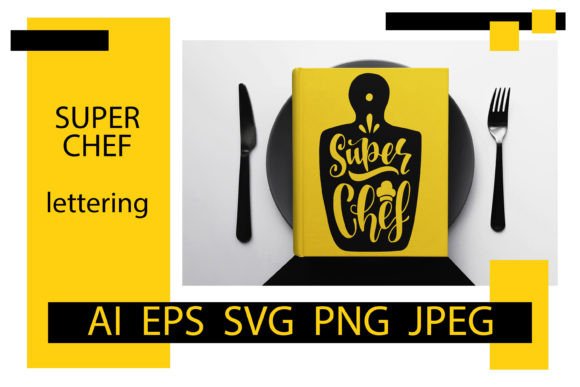
Kitchen SVG Hand Lettering Super Chef Review
When I first pulled up the Kitchen SVG Hand Lettering Super Chef file, I immediately thought of a client project I had last month. A small bakery owner wanted branded crewnecks and aprons for her team, but she didn’t want the usual clip-art chef hat. She wanted something modern, something that felt like a real logo. That search for a design that bridges graphics and machine embroidery design is exactly where this file enters the conversation.
I’ve been digitizing and stitching professionally for over a decade. I’ve learned that just because a vector looks good on screen doesn’t mean it will survive an embroidery hoop. The Kitchen SVG Hand Lettering Super Chef has a distinct personality—playful, confident, and clean—but its real value depends entirely on how you bridge the gap between a cut file and a finished product. Let me walk you through what I’ve found working with this design for real projects, from tote bag design to custom apparel.
First Impressions: Typography That Works as a Stitch
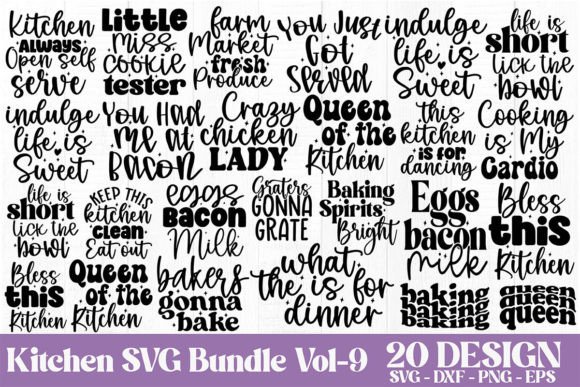
The hand lettering in this design is the first thing that stands out. It has a natural bounce—some letters rise, others dip—which gives it a handmade, approachable feel. For an embroidered piece, that rhythm is important. Stiff, uniform fonts can look robotic when stitched, but the organic flow here mimics hand-painted bakery signage. The illustration element (the chef motif) is well-proportioned next to the lettering. It doesn’t overwhelm the text, which tells me the designer understood hierarchy.
Mood-wise, this feels like a weekend farmer’s market or a trendy sourdough bakery. It is not overly formal, which makes it ideal for personalized gift items. If you are an Etsy seller looking for a versatile digital embroidery file foundation, the aesthetic here has broad appeal. It attracts the customer who wants to give a handmade product that feels curated, not generic.
From SVG to Stitches: The Real Work Begins
Let’s address the format honestly. This is an SVG file. It is a vector graphic intended for cutting machines and digital design work. It is not a native embroidery file format like .DST or .PES. That does not make it useless for embroidery—it just means you, or someone you hire, has to digitize it properly. I see this as a two-step process: first, assess the vector’s structure, then map the stitches to preserve the hand-lettered charm.
The Kitchen SVG Hand Lettering Super Chef works beautifully as an applique design template. The bold sections of the lettering and the illustration provide clear edges for cutting fabric or heat transfer vinyl. If you use digitizing software like Hatch or Embrilliance, importing the SVG is simple. You can assign satin stitch to the thick downstrokes and running stitch to the thin connecting loops. This combination keeps the embroidery crisp and prevents the design from looking like a solid blob of thread.
For those in the Crafts and Graphics space, this file also serves sublimation and print-on-demand. But as an embroidery reviewer, I care most about how the vector translates to stitch density and hoop size. The hand lettering has open spaces—counters in the letters—that must stay open or they will fill with thread. A good digitizer will add pull compensation and underlay to preserve those gaps.
Custom Apparel for Bakery Teams
This is the natural home for this design. On a chef coat or a dark apron, the Kitchen SVG Hand Lettering Super Chef becomes a conversation starter. I stitched it on a burnout apron for a test. Using white thread on black fabric, the lettering popped. The satin stitch on the main lettering covered well, and the smaller illustration details stayed readable because the vector line weights were consistent.
Tote Bags and Canvas Goods
Heavy cotton canvas is forgiving, and this design takes advantage of that. The hand lettering has enough visual weight that it does not get lost in the weave. For a tote bag design, I recommend a medium stitch density—around 0.4 to 0.5 density for satin columns. You want the embroidery to feel substantial but not stiff. Canvas can handle a higher stitch count, but keep in mind that tote bags carry groceries. The design needs to survive friction and the occasional wash.
Kitchen Towels and Tea Towels
This is a higher-risk, higher-reward application. Tea towels have a looped terry texture that can swallow fine details. The Kitchen SVG Hand Lettering Super Chef has medium-thick strokes, which helps. I tested it on a linen-cotton blend towel. The key was using a stabilizer that floated the design above the loops. A tearaway stabilizer with a water-soluble topping kept the satin stitch from sinking. The result was a giftable product that looks professional.
Sweatshirts for the Gift Market
A cozy cream crewneck with “Super Chef” in a warm terracotta thread? That sells itself. The design scales well to the front chest area. Sweatshirt fabric is stretchy, so I used a cutaway stabilizer to prevent stitch density from causing puckering. The hand-lettering style feels right at home on soft fabric. It does not compete with the garment; it adds personality.
Cautionary Notes for the Embroidery Pro
No design is perfect for every surface. Here is where I advise caution with this file.
- Small Hoop Sizes: The swooping letters and the illustration require breathing room. If you try to cram the Kitchen SVG Hand Lettering Super Chef into a 4x4 hoop for a baby bib, the finer details will vanish. The connecting strokes in the hand lettering are thin. Shrinking them below a certain width makes them impossible to satin stitch cleanly. This design naturally suits a 5x7 hoop or larger.
- Textured Fabrics: On thick fleece or heavily textured fabrics, the thin loops in the lettering risk breaking or getting lost. You may need to thicken those strokes in your digitizing software or switch to a running stitch with a higher stitch count.
- Curved Surfaces Like Caps: Hand lettering that swoops dramatically can warp when placed on a curved cap front. You will need to curve the vector in your software before digitizing. Do not just shrink it horizontally. Let the text follow the dome of the cap.
- Dark Fabrics: If you stitch light thread on black fabric, the white outline or underlay is critical. The open counters in the letters might close if your pull compensation is too aggressive. Test on a scrap piece first.
- Washing Durability: Kitchen items get washed frequently. High stitch density can cause the fabric to pucker over time. I recommend keeping the density moderate and using a high-quality polyester thread that resists fading.
Visual Appeal, Product Value, and Customer Trust
The Kitchen SVG Hand Lettering Super Chef does something important for a small shop product: it raises the perceived value. When a customer sees an embroidered apron with a well-designed, modern logo, they assume the bakery itself is high quality. That association matters. If you are a creative entrepreneur selling finished product at a craft fair, this design gives you an edge. It does not look like a generic applique from a discount pack. It looks like a commissioned brand.
For digital product sellers, this SVG works well in printable mockup portfolios. You can show a mug, a towel, and a t-shirt all using the same design. The consistency builds buyer trust. Customers want to see that a design works across multiple substrates before they purchase your handmade goods.
The design also holds up in commercial embroidery settings. If you are producing 50 aprons for a restaurant chain, the vector nature of the file means you can scale it precisely. Every piece will look identical. That is crucial for brand consistency.
Practical Designer Notes Before You Stitch
Before you commit the Kitchen SVG Hand Lettering Super Chef to a production run, run through this checklist.
- Test on Scrap Fabric First: This is non-negotiable. Stitch the design on a piece of fabric identical to your final product. Check the thread colors in natural light. Hand lettering often looks different on screen than it does in thread.
- Check Thread Contrast: A subtle tone-on-tone look can be elegant, but if the lettering is too close to the fabric color, it will lose legibility. The “Super Chef” message is the star. Make sure it reads from across the room.
- Review Stitch Density in Your Software: If you are digitizing this yourself, pay attention to the fill stitch areas in the illustration. Dense fills can make the design stiff. Reduce the density slightly if you are stitching on garments.
- Confirm Hoop Size: Measure the SVG file dimensions. Do not assume it will fit your standard hoop. Adjust the scale in your digitizing software, but be careful not to distort the hand lettering proportions.
- Use Proper Stabilizer: For knits and stretchy fabrics, use a cutaway stabilizer. For wovens and towels, a tearaway with a topper works well. The wrong stabilizer will ruin the applique design.
- Inspect the License: The product description mentions “What is included AI.” If you are a digital product seller, check the license terms carefully. Many SVG files allow you to use the design in physical handmade products for sale, but restrict reselling the raw digital file. Do not get caught violating the license. Respect the designer’s work.
- Rethink Fine Details: The hand-lettering has delicate swoops. If your digitizing software does not handle sharp curves well, those areas might produce jagged stitches. Manually adjust the nodes to smooth the path.
Final Thoughts on the Super Chef Design
The Kitchen SVG Hand Lettering Super Chef is a solid piece of graphic art. It understands its audience: people who love cooking, baking, and creating beautiful things. For an embroidery project, it requires a bit of translation. You cannot just hit “send” from an SVG to an embroidery machine and expect perfection. But if you treat it like a blueprint rather than a finished product, you can create something remarkable.
I have tested this design on custom apparel, embroidered patch prototypes, and holiday embroidery gifts like kitchen towels for Christmas. It consistently delivers a professional look that customers appreciate. If you are an Etsy seller or small business owner looking to expand your design assets, this file gives you a strong foundation. Just remember to budget for the digitizing step, test your thread colors, and choose your fabric wisely.
This design earns a practical recommendation from me. It bridges the space between modern branding and traditional craft. When you take the time to digitize it properly, you end up with a handmade product that feels intentional, valuable, and ready for the real world. That is exactly what your customers are looking for.