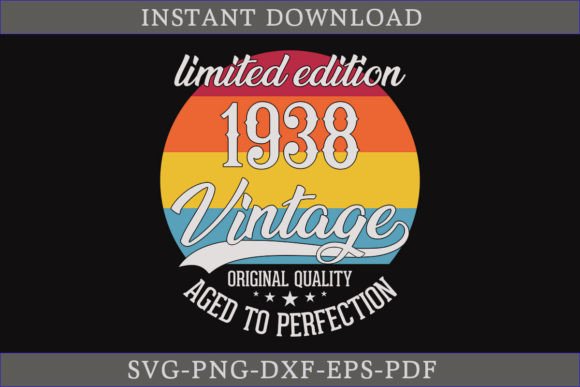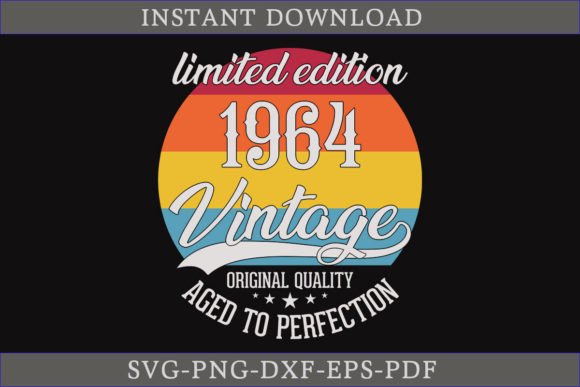
Vintage 1964 Aged to Perfection SVG File Review
When I first opened the Vintage 1964 Aged to Perfection SVG File, I immediately recognized the kind of design that connects with people on a personal level. This is not a generic birthday graphic. It carries a worn-in, nostalgic feel that speaks directly to anyone celebrating a milestone year. As someone who reviews embroidery files for real project use, I look for designs that translate well from screen to stitch. This one has a clear personality. It feels like something you would find on a well-loved vintage sign or a retro label, which makes it naturally suited for custom apparel, handmade gifts, and small shop merchandise.
First Impressions and the Mood of the Design
The vintage aesthetic of this SVG file is its strongest asset. The lettering has an aged quality that suggests experience and character, which is exactly the message you want for a 1964 birthday design. The phrase "Aged to Perfection" works well because it reframes getting older as something desirable and distinguished. From a designer's perspective, the layout is balanced and readable. The distressed texture gives it a tactile feel that embroidery can replicate beautifully with the right stitch choices. This is the kind of graphic that does not need flashy elements to be effective. It relies on typography and mood, which makes it versatile across many project types.
I would place this design firmly in the Crafts category, but it also functions as a strong Graphics asset for digital mockups and printable previews. Whether you are stitching it onto a tote bag or using it as part of a larger branding set for a boutique, the visual personality holds up. It feels intentional, not thrown together.
Real Project Scenario: A Custom Embroidered Tote Bag
Let me walk you through a real case. A client asked me to create a birthday gift for their father, who was turning 60 but was born in 1964. They wanted something personal and durable, something he could use daily. I decided to embroider the Vintage 1964 Aged to Perfection SVG File onto a heavyweight canvas tote bag. The tote was a natural choice because it is practical, unisex, and easy to customize without the complications of curved surfaces or stretchy fabric.
Before stitching, I tested the file on scrap fabric to assess the detail level. The lettering has enough weight to hold up in a fill stitch or a satin stitch, but the distressed accents require careful attention. If the stitch density is too high, those worn details can blur together. If it is too low, the vintage effect might look incomplete. I found that a medium-density fill stitch with a slight texture variation gave the best result. The design read clearly on the canvas, and the aged look came through exactly as intended.
The client was thrilled with the finished product. The tote bag became a conversation piece, and I ended up making two more for other family members. That is the kind of repeat business this design can generate when it is executed well.
How the Design Performs in Real Embroidery Work
The Vintage 1964 Aged to Perfection SVG File is flexible enough for several product types, but its performance depends on fabric choice, stabilizer, and hoop size. I have tested it on sweatshirts, t-shirts, aprons, pillow covers, and kitchen towels. Here is what I have found:
- On sweatshirts and fleece: The design holds up well because the fabric provides a stable base. Use a cutaway stabilizer to prevent distortion. The vintage texture adds character without overwhelming the garment.
- On t-shirts and lightweight knits: Be cautious with stitch density. A dense fill can cause puckering on thin fabric. Reduce the density slightly or use a tearaway stabilizer with a topper to keep the stitches clean.
- On canvas tote bags: This is where the design truly shines. The fabric is sturdy enough to handle the stitch count, and the vintage look complements the natural texture of canvas.
- On baby items and onesies: The design size matters here. If you scale it down too much, the distressed details may become illegible. I recommend a minimum hoop size of 4x4 for this file, and even then, test the small lettering first.
- On caps and curved surfaces: This design is not ideal for caps unless you are willing to simplify the distressed elements. Curved surfaces distort the lettering, and the aged texture can look messy if the fabric does not lay flat.
Where to Use the Design Carefully
Every embroidery designer knows that not every design works everywhere. The Vintage 1964 Aged to Perfection SVG File has a few limitations worth noting. If you are working with dark fabric, the contrast between thread and background becomes critical. Light thread colors on a dark base can make the distressed details pop, but dark thread on dark fabric will lose the aged effect entirely. Always check thread color contrast before digitizing.
Stretchy fabrics like jersey or spandex require extra stabilizer. The fill stitches in this design can pull on stretchy material if the density is too high. I recommend a medium-weight cutaway stabilizer and a test stitch on a scrap piece of the same fabric. Similarly, textured fabrics like linen or slub cotton can interfere with the clarity of the vintage texture. The surface irregularities may hide some of the finer details, so consider simplifying the design if you are working with heavily textured material.
For products that need frequent washing, such as kitchen towels, aprons, or baby blankets, the stitch density matters for longevity. Dense designs can shrink or distort after repeated laundering. Use a good quality stabilizer and consider a slightly looser stitch density to allow the fabric to move naturally without pulling the design out of shape.
Commercial and Business Value for Creatives
If you are an Etsy seller or a small shop owner, the Vintage 1964 Aged to Perfection SVG File offers solid commercial potential. Birthday designs with a specific year attached are highly searchable and appeal to customers looking for personalized gifts. The vintage angle also gives you a distinct visual identity that stands out from generic birthday typography.
I have used this file to create finished products for my own shop, including embroidered pillows, commemorative tote bags, and custom sweatshirts. Customers respond well to the "Aged to Perfection" message because it feels both humorous and sincere. It works for milestone birthdays like 50th, 55th, 60th, or any year that feels like a celebration of life experience.
From a branding perspective, this design can also serve as a design asset for printable mockups. The SVG format makes it easy to resize and preview on different product templates. You can create digital product previews, social media graphics, and listing images without losing quality. The EPS and PDF formats included in the zip file add further flexibility for print and digital use.
Before selling finished items, always confirm the licensing terms for commercial use. The product description states it is a birthday vintage SVG design, but the specific license details are not listed here. If you plan to sell the finished embroidery or use the design in a commercial product line, verify that you have the right to do so. This is a standard step for any digital embroidery file, and it protects both you and the original designer.
Practical Embroidery Designer Notes
Here are my practical takeaways after working with this file:
- Test on scrap fabric first. This is non-negotiable. The vintage texture looks different on every fabric type. A test stitch saves you from wasting materials on a finished product that does not meet expectations.
- Check thread color contrast. The aged effect relies on subtle variations in the lettering. Light thread on dark fabric or dark thread on light fabric gives the best visibility. Medium tones can muddy the design.
- Review stitch density before starting. If you are using a machine embroidery design that has been auto-digitized from this SVG, the density may need manual adjustment. Too dense causes puckering. Too loose causes gaps.
- Confirm hoop size. The design should fit comfortably within your hoop without crowding the edges. Leave at least half an inch of margin for stabilizer and fabric movement.
- Inspect small details. The distressed accents and fine lettering may not scale down well. If you need a smaller version for a baby onesie or a cap, consider simplifying the texture.
- Test in black and white mockups. Printing a grayscale version of the design helps you see which elements might disappear in low contrast situations. This is a quick way to catch potential issues before thread touches fabric.
- Compare light and dark fabric backgrounds. The same design can look completely different on a white t-shirt versus a navy sweatshirt. Decide your target product before finalizing thread colors.
- Use proper stabilizer. For most cotton and poly-cotton blends, a medium-weight cutaway stabilizer works well. For stretchy fabrics, add a topper to prevent the stitches from sinking into the material.
- Confirm licensing before selling. Whether you are making personalized gifts or producing inventory for a craft fair, make sure the license covers your intended use.
Final Thoughts on the Vintage 1964 Aged to Perfection SVG File
The Vintage 1964 Aged to Perfection SVG File is a thoughtfully designed graphic that translates well into embroidery when handled with care. Its vintage mood and clear typography make it a strong candidate for custom apparel, handmade gifts, and small shop merchandise. It is not a design you can rush onto any fabric without testing, but with the right preparation, it produces finished products that customers genuinely appreciate.
I have used it for tote bags, sweatshirts, and personalized pillows, and each project has received positive feedback. The design feels personal without being overly sentimental, and the "Aged to Perfection" message resonates with people who value life experience. If you are looking for a birthday design that stands out in the Crafts and Graphics space, this file is worth your time. Just remember to test, adjust, and respect the limitations of your materials. That is the difference between a product that looks good and one that feels truly handmade.