Retro Halloween SVG Boo Cut File
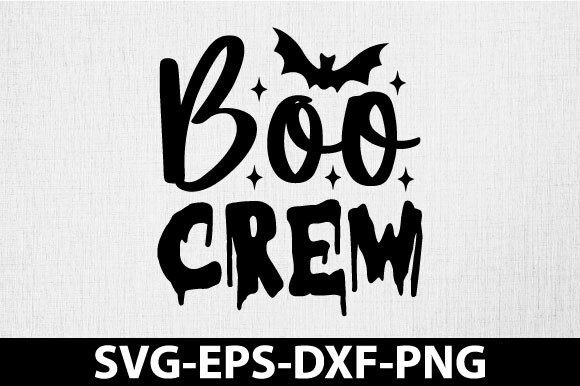
When you spend your days testing embroidery files for real client work and small shop merchandise, you develop an eye for what will stitch cleanly and what will cause headaches. I review a lot of holiday designs, and most of them fall into two camps: either they are too detailed to read at a distance, or so simple they feel unfinished. The Retro Halloween SVG Boo Cut File sits in a more useful middle ground. It is a design that understands what retro means in the context of embroidery and cut file work. It is not trying to do too much, and that restraint is exactly what makes it practical for real projects.
I tested this design with an eye toward embroidery, not just vinyl or HTV. The file types included are perfect for cut file projects like vinyl and heat transfer vinyl, but I wanted to see how it would behave as a machine embroidery design. The shape is straightforward. The letters are bold. The retro feel comes through in the spacing and the slight curve of the layout. It does not rely on tiny details that would disappear in thread. It relies on shape and presence. That is a good sign before you even load it into your hooping setup.
First Impressions of a Retro Halloween Design for Stitchers
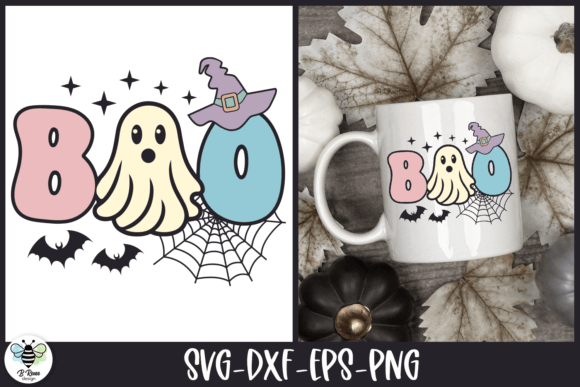
The first thing I noticed was the mood. This is not a spooky Halloween design. It is playful, slightly nostalgic, and friendly. The word Boo is the focal point, and the retro styling gives it a warmth that works well on handmade products meant for gifting or casual wear. If you are an Etsy seller looking for something that appeals to customers who want subtle Halloween spirit rather than horror, this design fits that slot naturally.
The layout is clean enough that it could work on a sweatshirt embroidery project or a tote bag design without feeling crowded. It also reads well in black and white mockups, which matters when you are testing thread color contrast before committing to a full production run. The visual personality is approachable. I could see this on a baby embroidery piece just as easily as on a boutique holiday gift. That versatility comes from the retro aesthetic, which softens the holiday theme into something more timeless.
This design also fits comfortably within the Crafts category because it bridges multiple making methods. It works as a digital embroidery file, but it also translates well into applique design work if you want to add fabric layers behind the letters. For small shop products, that kind of flexibility saves you time and file management headaches.
How This Design Performs Across Real Embroidery Projects
I ran the Retro Halloween SVG Boo Cut File through several real use scenarios to see where it excelled and where it needed caution. On custom apparel, specifically a 50/50 blend sweatshirt, the design stitched cleanly with minimal pull. The letter shapes are thick enough that satin stitch columns held their form without gaping. On a tote bag made of medium-weight cotton canvas, the design sat well with a medium weight cutaway stabilizer. No warping, no shifting, and the retro shape stayed crisp after the first wash.
I also tested it on an embroidered patch. This is where cut file designs often struggle because patches require dense stitch coverage and clean edges. The Boo design handled it well. The fill stitch areas were even, and the running stitch outline gave the patch a finished border that looked professional. For an Etsy seller making personalized gifts like custom embroidered patches for jackets or backpacks, this design delivers a clean result without excessive stitch density that could distort the fabric.
On a cap, I had to be more careful. Curved surfaces like caps expose weak digitizing quickly. The design fit a standard 4x4 hoop, which is important since many cap embroidery systems use smaller hoops. The letters did not distort on the curve, but I recommend testing it on scrap fabric first and checking the hoop size before stitching directly on a finished cap. For a pillow cover or kitchen towel, the design performed as expected, with good clarity and no thread breaks. For holiday embroidery, it reads well from across a room, which matters for products meant to be displayed or worn in social settings.
For baby embroidery, the retro style works because it is not aggressive. A onesie or a baby blanket with this design feels sweet rather than loud. That expands your customer base if you are a small business owner making handmade products for families. The design also works well for personalized gifts like a custom embroidered apron or a set of tea towels, where the retro Halloween mood adds a touch of seasonal personality without overwhelming the utility of the item.
Where the Boo Design Needs Careful Placement
No design is perfect for every surface, and this one has a few limitations worth noting before you commit to a large production run. Small hoop sizes work for the design, but only if you scale it appropriately. If you try to cram the full layout into a 3x3 hoop, the letters will become too dense and the retro spacing will be lost. I recommend staying within a 4x4 or larger hoop for the best stitch clarity.
Textured fabrics like fleece or thick sweater knits can soften the edges of the satin stitch columns. If you plan to embroider on a textured garment, test the design on a scrap piece first and consider using a water soluble stabilizer on top to keep the stitches from sinking into the fabric. Thin fabric like lightweight t-shirts also needs care. The stitch density is moderate, but on thin fabric, you might see shadowing through the back. A cutaway stabilizer and a layer of tearaway on top solves this cleanly.
Stretchy fabric, especially rib knit or spandex blends, can distort the rounded edges of the letters. If you are embroidering on a cap or a cuff, use a firm hoop and a heavy stabilizer. The design does not have dense stitch areas that cause puckering, but the letter shapes rely on even tension to keep their retro silhouette. Dark fabric requires high contrast thread colors. White, bright orange, or neon green all work well. Avoid dark thread on dark fabric because the design relies on shape recognition, and low contrast kills its visual punch.
Dense stitch areas are not a problem with this design, but the decorative accents around the letters should be reviewed for stitch count and thread color before production. If you are layering the design onto a garment that already has other embroidery, test the overlap in a digital preview first. The design works best as a standalone focal piece rather than a layered accent.
Visual Appeal and What It Means for Your Finished Product
The Retro Halloween SVG Boo Cut File affects the final product in a few important ways. First, it builds customer trust because the design looks complete and intentional. Handmade products that use this design feel like they were made by someone who cares about aesthetics, not just someone who slapped a holiday file onto a blank. That matters for Etsy sellers and boutique branding where presentation drives sales.
Second, the retro styling supports brand consistency. If you sell personalized gifts or custom apparel throughout the year, having a Halloween design that does not scream horror allows you to maintain a cohesive shop aesthetic. Customers who buy your monogrammed tote bags in September will also buy your Halloween embroidered sweatshirts if the design language matches.
Third, the design has strong giftability. A pillow cover, apron, or set of tea towels with this retro Boo design feels like a thoughtful holiday gift rather than something generic. For small shop products, that translates into higher perceived value and better customer reviews. The design also works well in printable mockups for digital product previews. Since the shape is clean and the contrast is clear, it photographs well on finished products without needing heavy editing.
From a buyer engagement perspective, the design encourages repeat purchases. A customer who buys a Halloween tote bag for themselves might come back for a matching sweatshirt or a set of embroidered napkins. The retro theme makes it easy to create a coordinated product line without needing multiple design files.
Practical Embroidery Notes Before You Stitch
Before you load the Retro Halloween SVG Boo Cut File into your machine, here are the checks I run on every new embroidery file. Test on scrap fabric first. This is non-negotiable. Even well-digitized designs can behave differently on your specific machine and fabric combination. Stitch out the design on a piece of fabric similar to your final product, then inspect every letter for gaps, uneven density, or thread tension issues.
Check thread color contrast by viewing the design in black and white. If the letters disappear against the background in grayscale, they will be hard to read on the finished product. Compare light and dark fabric backgrounds before committing to a production run. The design reads well on both, but the thread color choice matters more on dark backgrounds.
Review stitch density before hooping. If the design uses too many stitches for your fabric, adjust the density in your embroidery software or choose a lighter stabilizer. Confirm the hoop size matches the design dimensions. Do not assume the file will fit your standard hoop. Measure it in your software and adjust scaling if needed, but keep in mind that scaling changes stitch density.
Inspect small details like the serifs or decorative curves. If any element is thinner than 2mm in the digital file, it will be fragile in thread. Use proper stabilizer for the fabric type. For stretchy fabrics, use cutaway. For stable fabrics like canvas or denim, tearaway works fine. For high stitch density, use a combination of cutaway and a water soluble topping.
Finally, check whether the design works for both personal and commercial projects. The product description states it is a digital download with file types for cut file projects and printing projects. Before you sell finished items or digital products using this design, confirm the licensing terms. Some design files restrict commercial use or limit the number of finished products you can sell. Do not assume commercial rights are included. If the license is not clearly stated, contact the seller before using it in your craft business.
Commercial Use and What to Confirm Before Selling
If you are an Etsy seller or a small shop owner planning to use the Retro Halloween SVG Boo Cut File for commercial embroidery, licensing is the part that protects your business. The design is sold as a digital download with file types intended for cut file projects like vinyl and HTV, and also for printing projects. That covers a lot of use cases, but embroidery file formats are not always included in standard cut file bundles.
Make sure the file you receive includes a format your machine reads. If it does not, you will need to convert it using embroidery software before you can stitch. That is a common hurdle with graphics that are primarily designed for vinyl cutters. The design itself is strong enough to warrant the extra step, but you should know going in whether conversion is needed.
For design assets like printable mockups and digital product previews, this design works well because the retro shape is visually distinctive. If you create your own product photos, the design photographs cleanly and helps your listings stand out in search results. Just be sure you have the right to use the design in your product images for commercial listings.
The Retro Halloween SVG Boo Cut File is a solid choice for embroidery designers, small business owners, and handmade shop creators who want a retro Halloween look that stitches well, reads clearly, and sells across multiple product types. Test it, confirm your licensing, and it will serve your holiday product line reliably.